Payment gateway
  Payment Link
 Buy now pay later
  Scan to pay QR
 SmartPOS
  Collection support
  Pay-out support
  Appota E-wallet
 Top up service
  Charging service
  Press
Press  Promotions
  Events
  Blog
Blog 


A meal can be delivered within minutes. A movie can start streaming instantly. A message can arrive with virtually no delay. And money is moving in the same direction.
According to the World Bank, as of June 2026, users in 137 countries have access to 24/7 instant payment services. Faster payments are becoming part of the digital economy’s core infrastructure, rather than a standalone technological advantage.
But as “instant” gradually becomes the standard, a new question emerges: If payments are already fast enough, what will create the next point of differentiation?

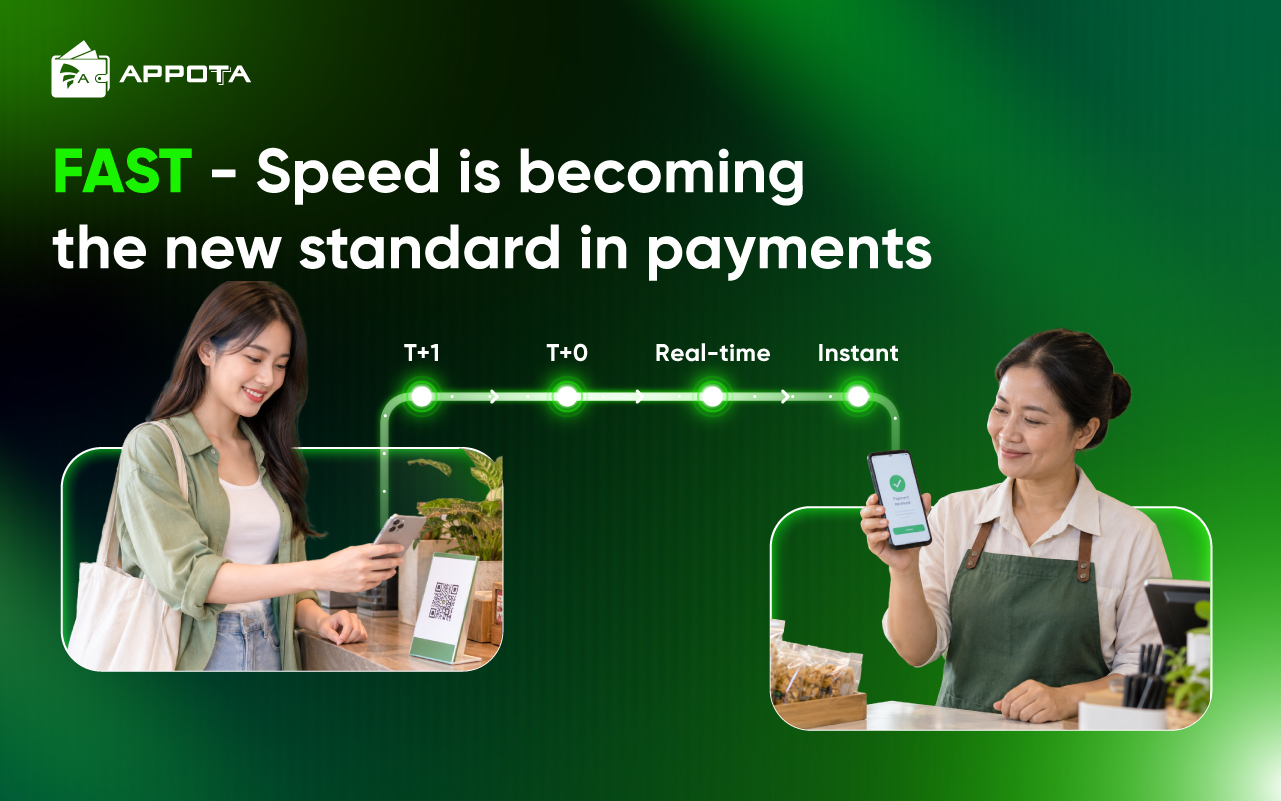
01. FAST: Speed is becoming the new standard in payments
For years, the payments industry has been driven by a race for speed: Slow → Fast → Real-time → Instant.
But that race is now changing. J.P. Morgan notes that speed in cross-border payments is increasingly becoming a baseline expectation, with customers expecting international transactions to be as fast, transparent, and traceable as domestic payments.
In other words, “fast” is no longer the destination. It is becoming a prerequisite.
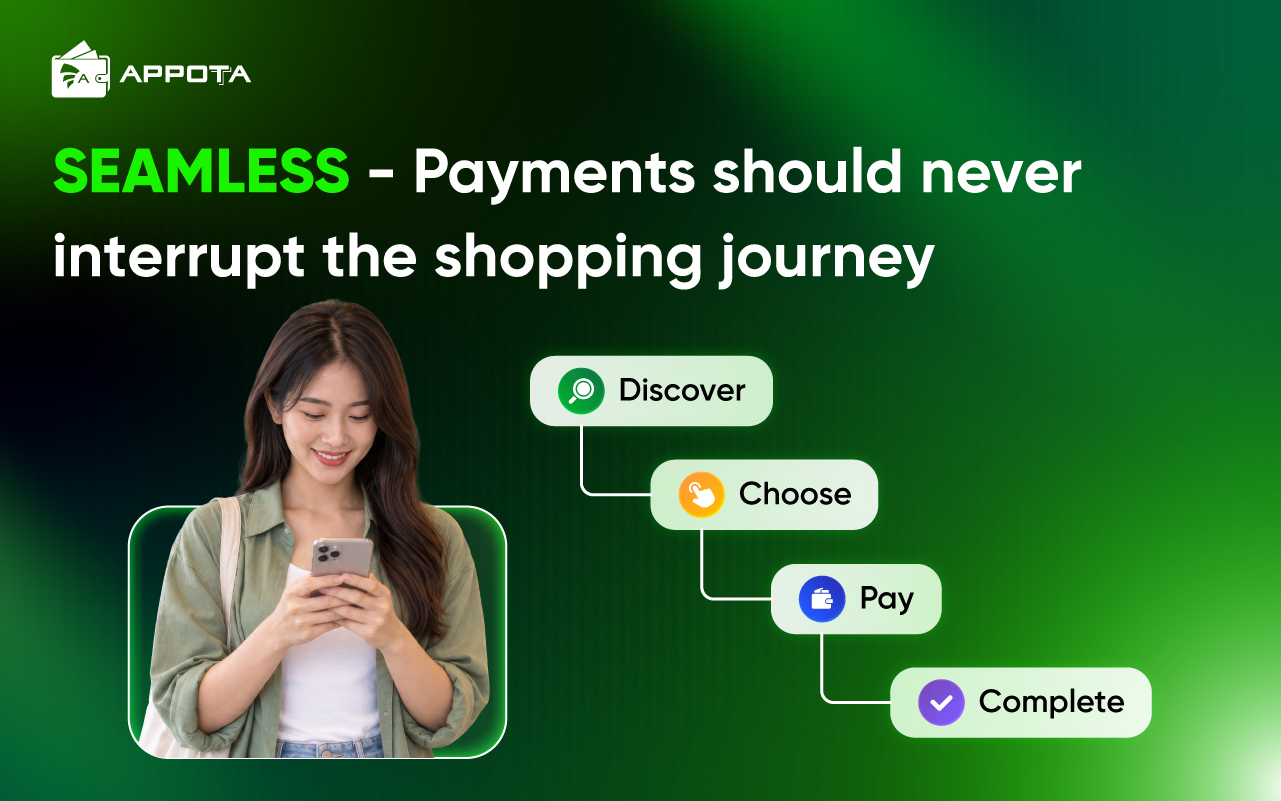
02. SEAMLESS: Payments shouldn’t interrupt the customer journey
Customers expect transactions to be completed smoothly within seconds. Yet in practice, they may still have to:
- Switch to another platform to make a payment
- Re-enter their information
- Wait for confirmation
- Or rely on manual reconciliation on the business side
The next step for payments, therefore, is moving from “fast” to “seamless” – embedding payment into the customer journey instead of making it a separate interruption.
This is also where embedded payments are gaining traction in business operations. Payment processes are being integrated directly into the systems and workflows businesses already use, allowing customers to complete transactions without being redirected to a separate payment process.
A 2026 survey by Citizens found that 76% of surveyed businesses are using APIs from financial institutions to embed payment processes into their ERP systems.
The direction is clear: payment is no longer just a step in the journey. It is becoming part of the journey itself.
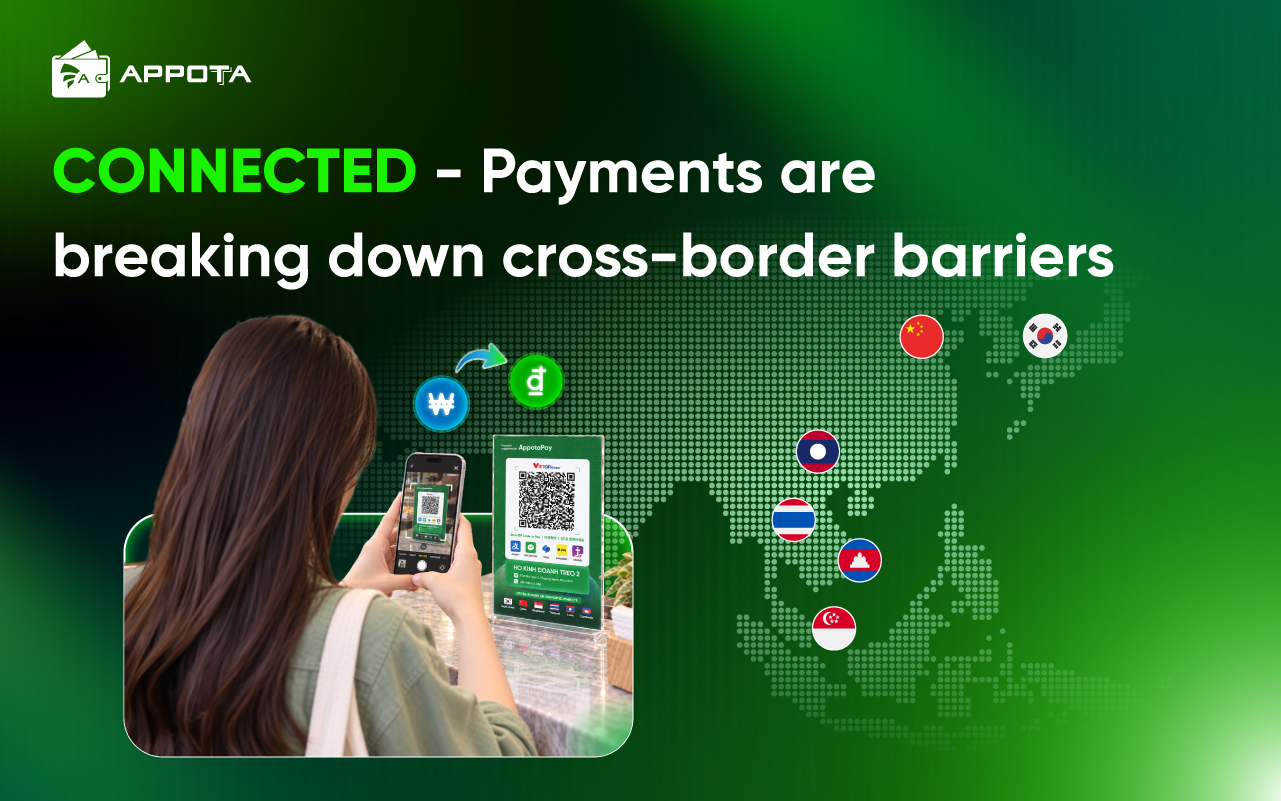
03. CONNECTED: When payments no longer stop at national borders
Once payments become seamless within a market, the next step is to extend that experience across borders. To make this possible, payment systems need to connect and interoperate.
This is becoming an important direction for global payment infrastructure. For example, the Bank for International Settlements (BIS) launched Project Nexus to connect domestic instant payment systems through a common framework, with the goal of enabling cross-border transactions to be completed within 60 seconds.
In Vietnam, this shift is already visible through NAPAS’s VietQRGlobal network. Instead of switching to a payment method from the destination country, international visitors can use their familiar banking app or digital wallet from their home market to scan a QR code and pay in Vietnam.
As of September 2026, NAPAS has connected QR payments with six markets in the region: Thailand, Laos, Cambodia, China, South Korea, and Singapore.
For users, cross-border payments are therefore no longer about “switching payment methods when paying abroad.” They are about taking a familiar payment experience across borders.
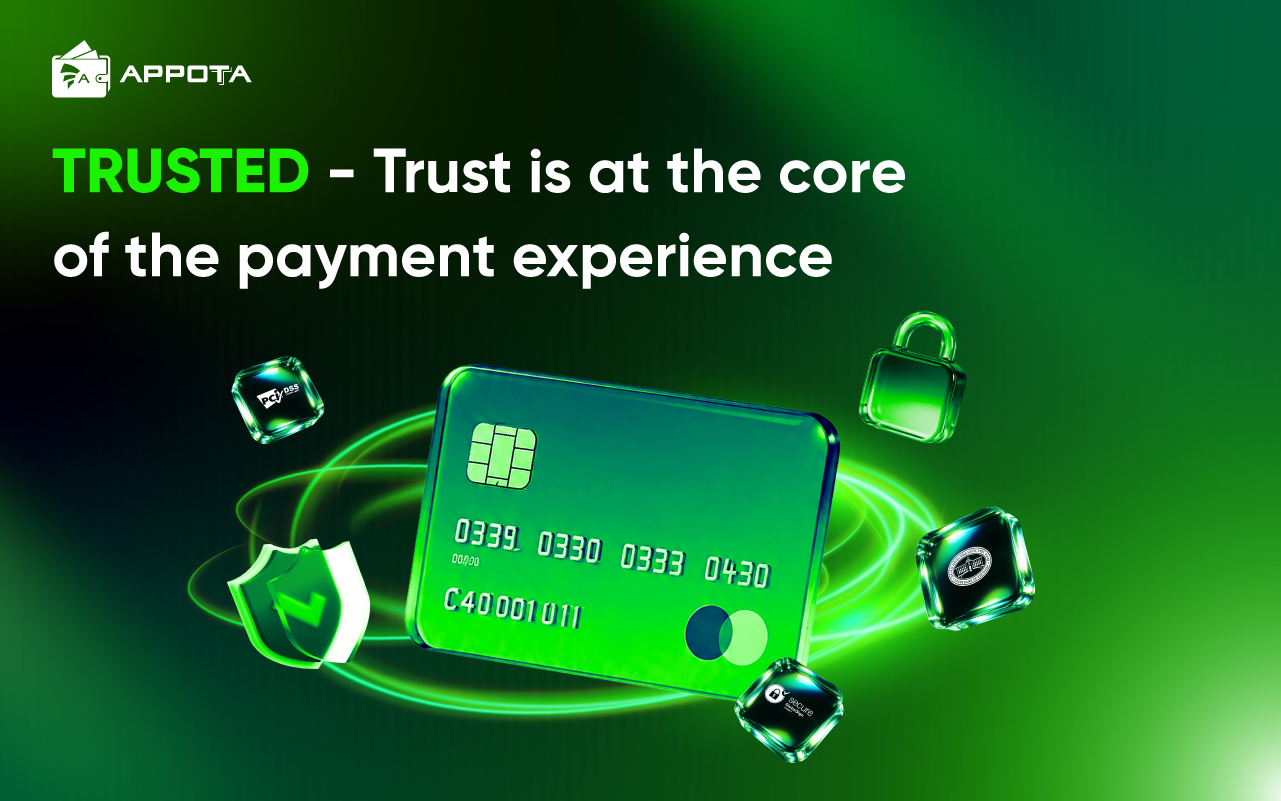
04. TRUSTED: Payments can be fast – But they also need to be safe
The faster payments become, the greater the expectation for security. Users not only want transactions to be completed within seconds; they also need confidence that their money and personal information are protected.
As a result, security is becoming an essential part of payment infrastructure alongside speed. Globally, the World Bank is exploring how digital identity can work alongside instant payments to strengthen security and create a more seamless transaction experience.
In Vietnam, financial institutions and payment providers are also continuously upgrading their systems to strengthen security. AppotaPay continuously enhances its security infrastructure to adapt to technological changes and emerging risks, while meeting international standards such as PCI DSS Level 1 and SecureTrust Compliance.
Because as speed becomes the standard, security and trust will increasingly shape the payment experience.
Ready for the next step in payments?
The payments landscape is not standing still. As what was once considered a differentiator becomes the new standard, businesses need infrastructure that can keep pace with evolving customer expectations.
AppotaPay works with businesses to build fast, seamless, connected, and secure payment infrastructure, supporting everything from domestic payments to cross-border transactions.
Get ahead of the future of payments with AppotaPay:
- Hotline: 19000 6004
- Email: biz@appotapay.com